Reverse Flip to India for US and Singapore Holding Companies (2026)
How a startup moves its holding company from the US or Singapore to India, comparing the inbound merger, share swap and share purchase routes, with FEMA approvals, pricing, shareholder tax, timelines and lessons.
Krystal7 Consultants · India entry, tax and compliance
Written by CA Nandini Hasija, Krystal7 Consultants. Last updated 23 October 2026.
A reverse flip moves a startup's holding company from the US or Singapore to India. The usual route merges the foreign parent into the Indian company under section 234 of the Companies Act, 2013 and rule 25A. Since 17 Sep 2024, a foreign holding company can use the section 233 fast track to merge into its wholly owned Indian subsidiary. Only a merger meeting section 70 of the Income Tax Act, 2025 is tax neutral for shareholders.
This page compares the three routes and sets out the FEMA approvals, pricing rules and reporting. It also covers the Indian tax cost for founders and investors, the US angle in brief, timelines and lessons.
What is a reverse flip?
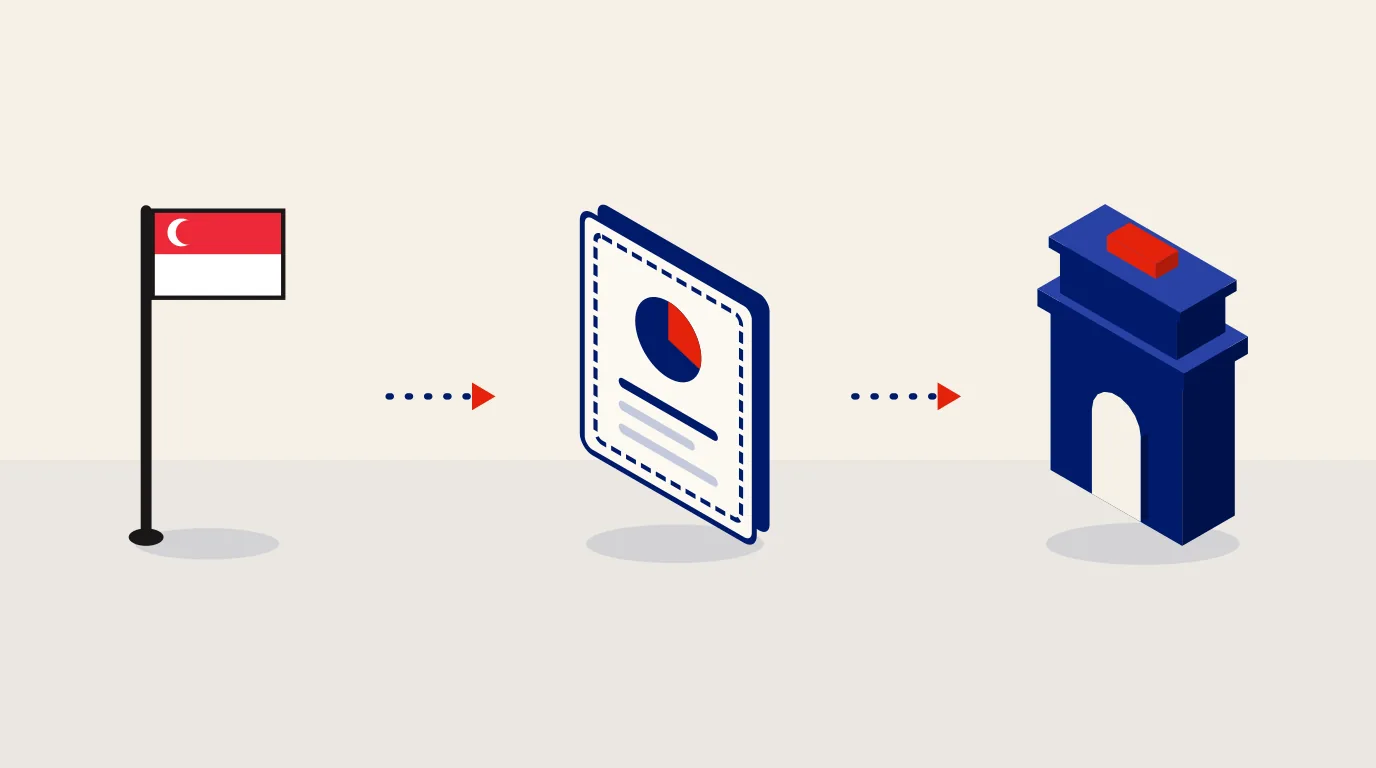
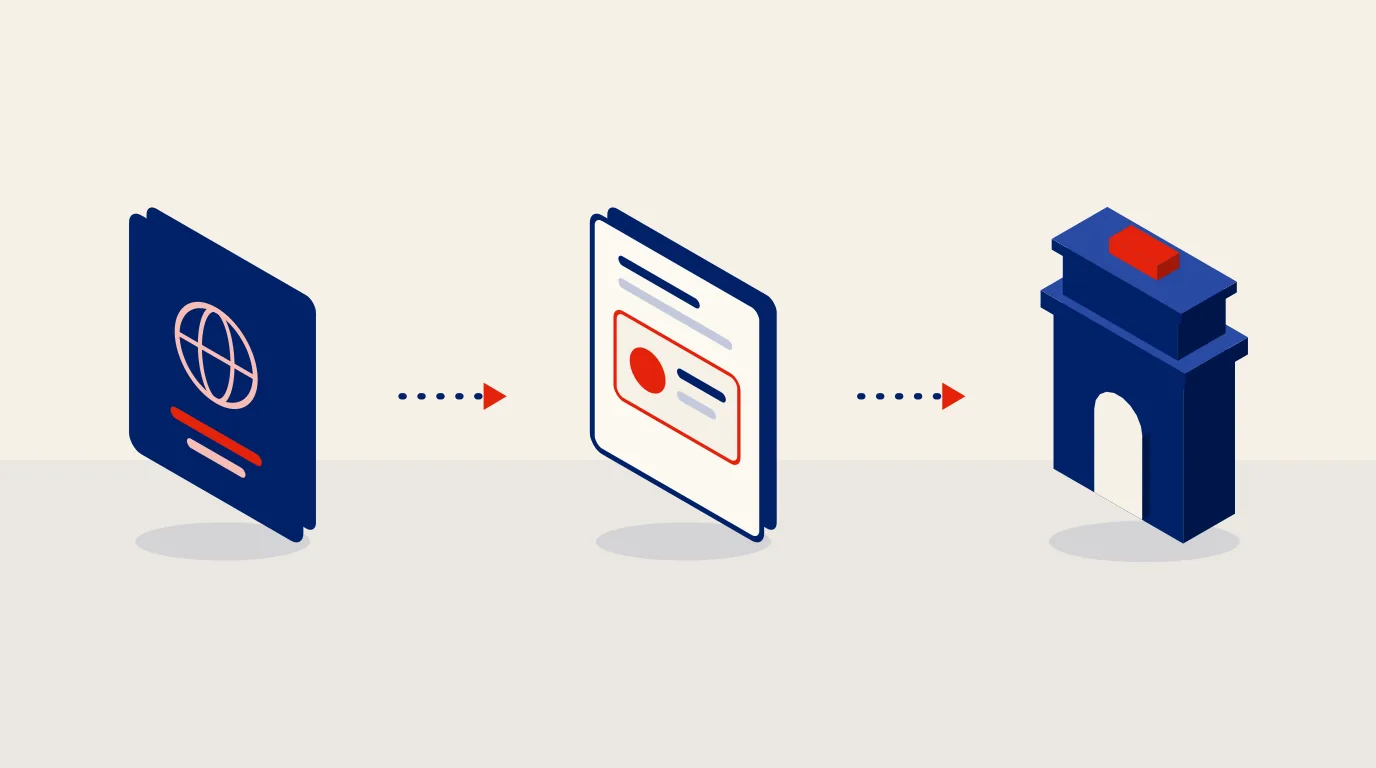
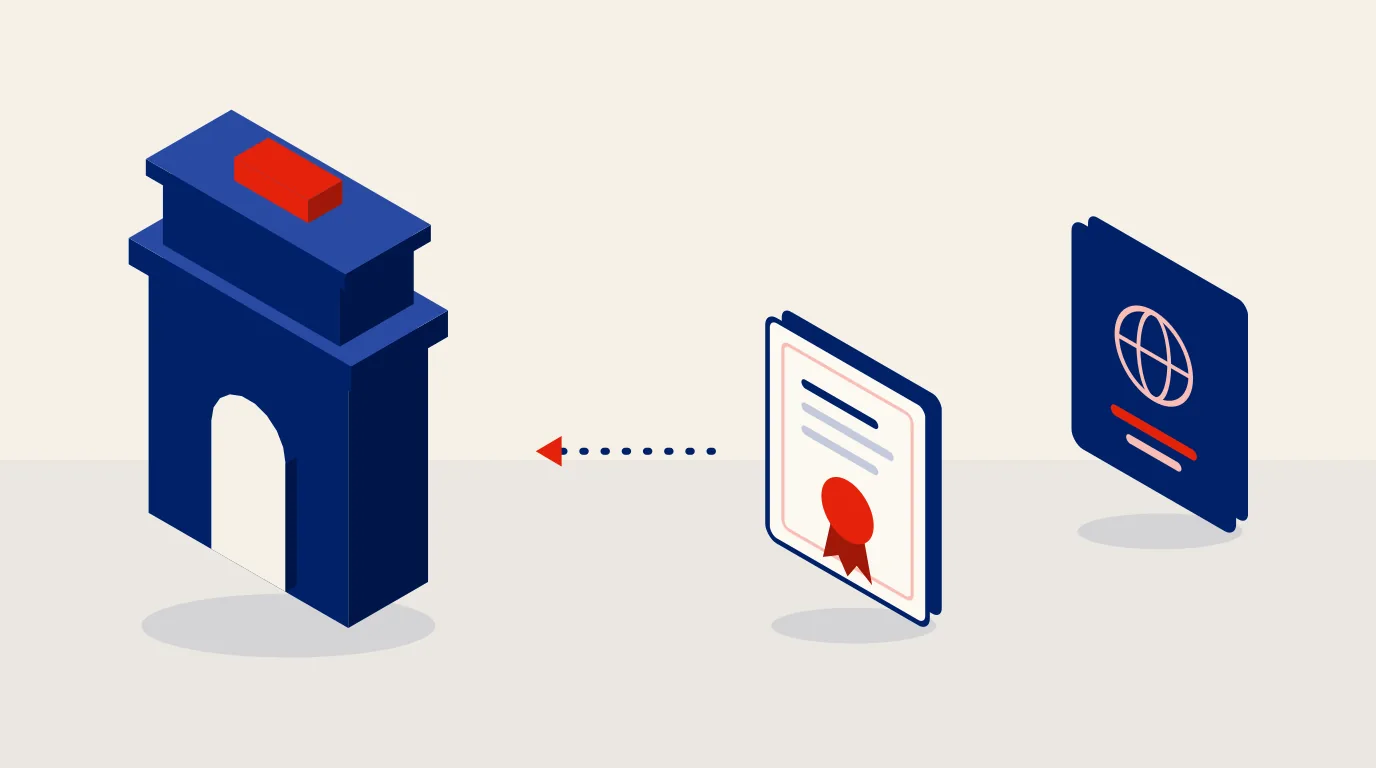
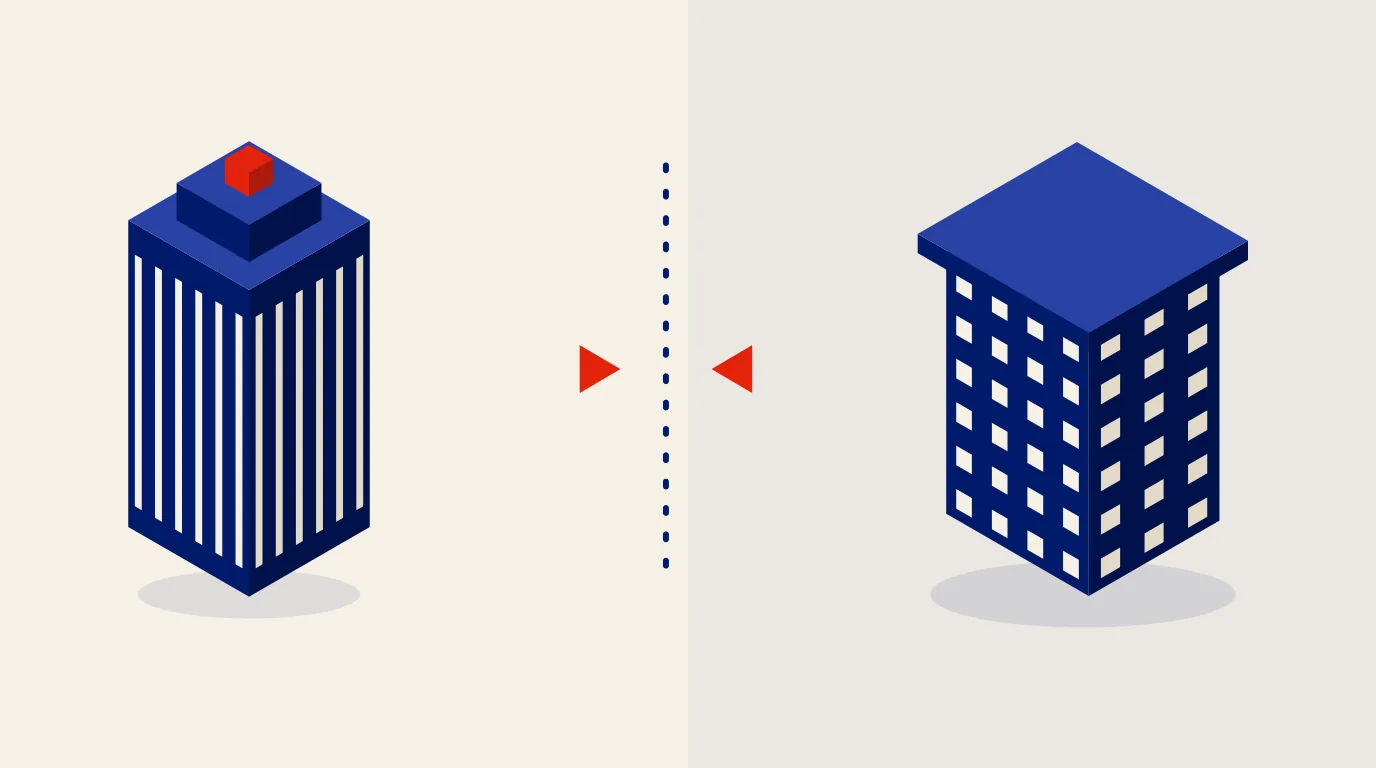
A reverse flip is the move of a startup's holding company from abroad back to India. Before the flip, founders and investors own a US or Singapore company, which owns the Indian operating company. After the flip, they own the Indian company directly. The foreign company disappears by merger, or becomes a subsidiary of the Indian company.
The original "flip" happened for practical reasons. Foreign venture funds wanted a Delaware or Singapore company with familiar law and courts. Founders wanted access to US accelerators and foreign capital. The Indian company carried the staff, the customers and the revenue, while the IP and the cap table sat abroad.
A reverse flip unwinds that structure. In India the work rests on four bodies of law:
Company law, for the merger or the share issue: sections 230 to 234 of the Companies Act, 2013 and the CAA Rules, 2016.
FEMA, for the foreign exchange side: the Cross Border Merger Regulations, 2018, the Non Debt Instruments Rules, 2019 and the Overseas Investment Rules, 2022.
Income tax, for the shareholders and the companies: sections 9 and 70 of the Income Tax Act, 2025.
The foreign law, which must allow the foreign company to merge out or its shares to be swapped.
Why do startups move their holding company to India?
Most reverse flips aim at an Indian listing. Indian stock exchanges list the equity shares of companies incorporated in India. A foreign holding company can reach Indian investors only through Indian Depository Receipts. Other reasons include regulatory licences that require an Indian company and simpler FEMA compliance.
The reasons we hear most often from founders:
Indian listing. Domestic institutional and retail investors buy shares of Indian companies on NSE and BSE.
Licences. Payment, lending, insurance and some data businesses deal with regulators that expect the licensed company to be Indian and controlled from India.
One layer of compliance. A foreign parent with an Indian subsidiary runs two sets of filings, audits and board processes. After the flip, the foreign layer goes.
FEMA friction. Resident founders holding shares of a foreign parent with an Indian subsidiary face the overseas investment rules, discussed below.
Government support. The Government widened the fast track merger route in September 2024 and again on 4 Sep 2025 to make restructuring easier.
The PIB release of 11 Sep 2025 on the wider fast track recalls the 2024 change. It says the merger of a foreign holding company into its wholly owned Indian subsidiary has also been allowed through the fast track procedure. It links the 2025 widening to paragraph 101 of the Budget Speech for 2025-26.
Which routes can a startup use for a reverse flip?
Three routes are used. The foreign holding company can merge into the Indian company. Its shareholders can swap their foreign shares for new Indian shares. Or the shareholders can buy the Indian company's shares from the foreign company. Only the merger can be tax neutral in India, so most groups start there.
Point
Inbound merger
Share swap
Share purchase or distribution
What happens
Foreign parent merges into the Indian company
Indian company issues shares to the parent's shareholders against their foreign shares
Shareholders acquire the Indian company's shares from the foreign parent
Company law
Sections 230 to 234 and rule 25A, or section 233 with rule 25A(5)
Section 62(1)(c) and private placement rules
Share transfer
FEMA for non residents
NDI rule 19 and Cross Border Merger Regulations; FC-GPR
NDI Schedule I para 1(d) and rule 9A; FC-GPR
FC-TRS where a resident buys from a non resident
FEMA for the Indian company
Overseas assets handled under Cross Border Merger regulation 4
ODI by swap under OI Rules Schedule I para 1(2)(v)
None, unless it acquires foreign assets
Indian tax for shareholders
Neutral if section 70(1)(f) of the 2025 Act applies
Taxable exchange
Taxable for the seller
Cross holding left behind
None
Foreign company holds Indian shares and Indian company holds foreign shares
Foreign company is left as an empty shell
Foreign law needed
Outbound merger route in the foreign country
Share exchange rules
Distribution or sale rules
The share swap leaves a loop. The Indian company owns the foreign company, which still owns the Indian company's original shares. That loop has to be removed later, by a merger, a capital reduction or a sale. Each step has its own tax and FEMA cost. This is why groups use a swap mainly where the foreign country has no outbound merger route.
How does the inbound merger route work under section 234 and rule 25A?
Section 234(2) of the Companies Act, 2013 lets a foreign company merge into an Indian company with prior RBI approval. Rule 25A(1) of the CAA Rules, 2016 requires compliance with sections 230 to 232, which means an NCLT scheme. The scheme can pay the foreign company's shareholders in shares, cash, depository receipts or a mix.
Section 234(1) applies the provisions of Chapter XV to mergers with foreign companies. On the NCLT route, the Indian company files the scheme with the tribunal. Section 230(5) requires notice to the Central Government, the income tax authorities, RBI, the Registrar, the Official Liquidator and others. They have 30 days to make representations. Members approve by a majority in number holding three fourths in value of those voting, under section 230(6).
The foreign company must follow its own law in parallel. A Delaware corporation needs a merger route that allows the surviving company to be foreign. A Singapore company must check whether its law allows it to merge into a foreign company at all. Where the foreign law has no route, the merger route is closed and the group turns to a swap.
Rule 25A(4) adds a declaration where a party to the scheme comes from a country that shares a land border with India. Any such investor also needs government approval for the new Indian shares, under the proviso to rule 6(a) of the NDI Rules. See Press Note 3 and land border FDI.
When can a foreign parent use the fast track route?
Since 17 Sep 2024, rule 25A(5) lets a foreign holding company merge into its wholly owned Indian subsidiary under section 233. G.S.R. 555(E) of 9 Sep 2024 inserted it. Both companies obtain prior RBI approval, which FEMA deems given for a compliant merger. The Indian company applies to the Central Government, through the Regional Director, instead of the NCLT.
The four conditions in rule 25A(5):
The transferor is a foreign company and the holding company.
The transferee is an Indian company and its wholly owned subsidiary.
Both obtain prior RBI approval.
The Indian company complies with section 233 and applies under section 233(2).
The typical reverse flip fits. The foreign parent owns all the Indian company's shares, apart from a nominee share where the parent holds through a nominee. Section 233 then needs a notice inviting objections from the Registrar and the Official Liquidator within 30 days. It also needs a declaration of solvency, approval by members holding 90 percent of the shares and approval by creditors holding nine tenths in value.
G.S.R. 603(E) of 4 Sep 2025 widened the fast track for domestic mergers. The PIB release of 11 Sep 2025 says it added three classes to rule 25. These are unlisted companies within prescribed limits on outstanding loans, debentures and deposits, a holding company with its subsidiaries, and fellow subsidiaries. The last two apply where the transferor is not listed.
The same release says the 2025 amendment does not change the 2024 provision for a foreign holding company. Rule 25A(5) therefore stays in place.
Rule 25 sets the time limits for the Central Government. G.S.R. 367(E) of 15 May 2023 substituted rule 25(5) and (6). The PIB release of 11 Sep 2025 mentions no change to those limits. They run as follows:
The Registrar and the Official Liquidator have 30 days from receipt of the scheme to object.
With no objection, the Central Government may confirm the scheme in Form CAA.12 within 15 days after the 30 days.
With objections that are not sustainable, it may confirm within 30 days after the 30 days.
Where the scheme is not in the public interest or the creditors' interest, it may apply to the NCLT in Form CAA.13 within 60 days of receiving the scheme.
If it does neither within 60 days of receipt, it is deemed to have no objection, and a confirmation order follows.
What does FEMA require for a reverse flip?
For a merger, regulation 9 of the Cross Border Merger Regulations, 2018 deems RBI's prior approval if the transaction complies with them. The managing director or whole time director and, where the company has one, the company secretary certify compliance in the application. For a swap, the NDI Rules and the Overseas Investment Rules apply. Shares issued to non residents need Form FC-GPR within 30 days.
The Cross Border Merger Regulations (FEMA 389/2018-RB) set the inbound conditions in regulation 4. The Indian company issues shares to non residents under the FDI rules on entry route, sectoral caps and pricing. The foreign company's offices abroad become branch offices of the Indian company. Foreign borrowings and guarantees must meet the ECB or trade credit rules within two years.
Assets the Indian company cannot hold must be sold within two years of sanction, with the proceeds repatriated. A foreign bank account may be kept for two years for merger related transactions. Regulation 7 requires regulatory action for any past non compliance to be completed before the merger.
On 29 May 2026, RBI notified FEMA 389(1)/2026-RB, in force from its Gazette publication on 5 Jun 2026. It replaced "NCLT" with "Competent Authority" in regulations 4, 5, 7 and 9. It also defined the Competent Authority as any authority empowered under the Companies Act, 2013 to sanction a scheme. On our reading, the deemed approval and the two year windows now clearly cover fast track mergers sanctioned by the Central Government.
The NDI Rules, updated up to 2 Sep 2026, cover the share issue:
Rule 19(1) lets the surviving company issue shares to the transferor's non resident shareholders. It applies once the NCLT or other competent authority approves the scheme. No government approval is needed in an automatic route sector.
Schedule I, paragraph 1(d) lets an Indian company issue shares against a swap of equity instruments or equity capital of a foreign company.
Rule 9A allows transfers by way of swap, in compliance with the Central Government's rules. Government approval is needed wherever the sector requires it.
For the swap route, the Indian company acquires the foreign company's shares. That is an overseas direct investment by way of swap under the Overseas Investment Rules, 2022, Schedule I, paragraph 1(2)(v). Rule 19(3) of those rules bars a structure with more than two layers of subsidiaries where the foreign entity has invested into India. We map the group chart against it. See ODI rules for Indian companies.
Item
Merger route
Swap route
Rule
RBI approval
Deemed if compliant, with MD and CS certificate
Not needed in automatic route sectors
CBM regulation 9; NDI rule 9A
Government approval
Needed for land border investors and approval route sectors
Same
NDI rule 6(a) proviso
Shares to non residents
FC-GPR within 30 days
FC-GPR within 30 days
FEMA 395 regulation 4(1)
Foreign shares acquired by the Indian company
Not applicable, foreign company dissolves
ODI by swap, reported through the AD bank
OI Rules Schedule I para 1(2)(v)
Overseas assets and borrowings
Two years to regularise
Held as ODI from day one
CBM regulation 4; OI Rules
Past FEMA defaults
Regularise before the merger
Regularise before the swap, in practice
CBM regulation 7
Layering
Test the foreign group under rule 19(3)
Test the loop and the foreign group under rule 19(3)
OI Rules rule 19(3)
How are the new Indian shares priced and reported?
The Indian company issues shares to non residents at not less than fair value under rule 21 of the NDI Rules. In a merger, the swap ratio sets the price, so the valuation must support both. In a share swap, rule 21 names the valuer. It must be a SEBI registered merchant banker, or an investment banker registered in the host country, whatever the amount.
Valuations for a merger are usually done by a registered valuer for each company, plus a fairness opinion where the board wants one. The valuation report must support the swap ratio under rule 25A. It must also show that the shares issued to non residents meet the FEMA floor. RBI's Master Direction on Foreign Investment is updated as on 15 Jun 2026. It says the pricing valuation must not be more than 90 days old on the date of the investment.
The company files Form FC-GPR within 30 days of issuing shares to non residents. Regulation 4(1) of FEMA 395/2019-RB sets that clock. A cross border merger often issues shares to hundreds of non resident holders, including ESOP holders abroad. We build the FC-GPR investor schedule from the foreign company's register before the sanction, so that 30 days is enough.
Shares issued to residents need no FEMA filing. Resident founders who held shares of the foreign company report the end of that overseas investment. They report through their AD bank under the Overseas Investment Regulations, 2022.
What does a reverse flip cost shareholders in Indian tax?
A merger that meets the amalgamation definition costs shareholders nothing in Indian tax, under section 70(1)(f) of the Income Tax Act, 2025. A share swap or a share purchase is a taxable transfer. Resident founders pay capital gains on their foreign shares. Foreign investors may pay India's indirect transfer tax, subject to their treaty.
Section 70 lists transfers that are not treated as transfers for capital gains. Four clauses matter for a flip:
Section 70(1)(e): the transfer of a capital asset by the amalgamating company to the amalgamated company, if the amalgamated company is Indian. This was section 47(vi) of the 1961 Act.
Section 70(1)(f): a shareholder's transfer of shares in the amalgamating company for shares in the amalgamated company, if that company is Indian. This was section 47(vii).
Section 70(1)(g): shares of an Indian company passing between two foreign companies in an amalgamation, with conditions. This was section 47(via).
Section 70(1)(h): shares of a foreign company that derive their value from India, passing between two foreign companies, with conditions. This was section 47(viab).
Clauses (e) and (f) carry a reverse flip by merger. The merger must also meet the amalgamation definition in section 2(6), which replaces section 2(1B) of the 1961 Act. All the property and all the liabilities of the foreign company pass to the Indian company. Shareholders holding at least three fourths in value of the foreign company's shares become shareholders of the Indian company.
Cash consideration breaks the protection for the holder paid in cash, on our reading. Cash paid to more than a quarter in value can break the three fourths test for everyone. We pay every holder in shares where the cap table allows it.
A swap or purchase falls outside section 70. For non resident investors, the foreign company's shares usually derive their value substantially from India. Section 9(10)(a) of the 2025 Act then treats the gain as arising in India. It replaced Explanation 5 to section 9(1)(i) of the 1961 Act. Under the 1961 Act, the test applied where Indian assets exceeded INR 10 crore and formed at least half of all assets. Small holders with 5 percent or less and no management rights were outside it.
Treaties change the answer for some investors. Article 13 of the India US treaty lets each country tax capital gains under its own domestic law. The treaty text is on incometaxindia.gov.in. So a US investor rarely escapes Indian tax on a swap. A Singapore fund may claim relief under the capital gains article of the India Singapore treaty.
In Tiger Global (2026 INSC 60, 15 Jan 2026) the Supreme Court allowed the revenue's appeals and set aside the Delhi High Court judgment. Commentators read the ruling as limiting reliance on a Tax Residency Certificate alone. See our note on the Tiger Global ruling.
Shareholder
Merger meeting section 70
Share swap
Share purchase from the foreign company
Resident founder holding foreign shares
Not a transfer, section 70(1)(f)
Capital gains on the foreign shares
Not a seller; the foreign company is
Non resident investor, India US treaty
Not a transfer, section 70(1)(f)
Indirect transfer under section 9(10)(a); treaty leaves it to Indian law
Not a seller
Non resident investor claiming treaty relief
Not a transfer
Taxable unless the treaty relief holds
Not a seller
Foreign holding company
Not a transfer, section 70(1)(e)
Not a party to the exchange
Capital gains on the Indian shares it sells
ESOP holders of the foreign company
Replacement options under the scheme; check perquisite timing
Depends on the plan
Depends on the plan
Three other tax points need an opinion before the board approves anything.
The cost and holding period of the old foreign shares carry to the new Indian shares in an amalgamation. Section 73(1), Table serial 2, replaces section 49(2) of the 1961 Act for cost. Section 2(101) replaces section 2(42A) for the holding period.
The Indian company's carried forward losses face the 51 percent voting power test in section 119(3), which replaces section 79. The test bites because the company's registered shareholder changes. Section 119(4)(b) carves out an Indian subsidiary whose shareholding changes through an amalgamation or demerger of its foreign parent, where 51 percent of the parent's shareholders carry over. On our reading, that carve out does not clearly cover a merger of the parent into the Indian company, so we do not assume it.
Long term gains on unlisted shares are taxed at 12.5 percent under section 197(1)(b), which replaces section 112, plus surcharge and cess.
A reverse flip out of the US is also a US tax event. US shareholders exchange shares of a US corporation for shares of an Indian company. US rules on transfers to foreign corporations decide whether that exchange is taxable. The US anti inversion rules decide how the new Indian parent is treated. We do not advise on US tax, and the flip should not start without a US tax opinion.
At a high level, the US questions are these:
Whether US shareholders recognise gain on the exchange.
Whether the anti inversion rules treat the Indian company as a US company for US tax. The answer turns on ownership continuity and how much of the group's business sits in India.
Whether the Delaware company can merge into a foreign company under Delaware law and the US filing positions that follow.
A group whose staff, customers and revenue sit in India often has an answer to the second question. That is a US law judgement, made by US counsel, before the Indian valuation is fixed. A Singapore holding company raises its own questions under Singapore law, again for local advisers.
What happens to resident founders' overseas investment?
Resident founders who hold shares in the foreign holding company hold an overseas investment. Schedule III, paragraph 1(2)(i) of the Overseas Investment Rules, 2022 limits a resident individual's ODI. It is allowed only in a foreign entity without a subsidiary or step down subsidiary that the individual controls. A founder in control of a foreign parent with an Indian subsidiary often falls foul of that condition.
The rules carve out shares acquired by inheritance, sweat equity, qualification shares and ESOPs. Founder shares bought for cash after the OI Rules started on 22 Aug 2022 deserve a careful look. Holdings acquired before that date fall under the earlier regulations.
Regulation 7 of the Cross Border Merger Regulations requires regulatory action for past contraventions to be completed before the merger. In practice, that means a compounding application to RBI or a late filing with a Late Submission Fee before the scheme is filed. See FEMA compounding.
After the merger, the founders hold Indian shares directly. Their overseas investment ends, and the new holding is domestic.
What happens to ESOPs, SAFEs and overseas subsidiaries?
Every security of the foreign company has to land somewhere in India. Options under the foreign plan are replaced by options under an Indian plan. Convertible notes and SAFEs become liabilities of the Indian company, which must meet the ECB rules within two years. Overseas subsidiaries become ODI of the Indian company.
ESOP holders are often the largest group by headcount. The Indian company adopts a plan under section 62(1)(b) and the Companies (Share Capital and Debentures) Rules, 2014. Options granted to employees of overseas subsidiaries become FDI when exercised. The scheme should state the conversion ratio for options. See ESOP and RSU tax for employees of a foreign parent.
Convertible notes and SAFEs need a decision before the sanction. They can convert into foreign shares before the merger, so the holders take Indian shares in the swap ratio. Or they move to the Indian company and must convert, be repaid under the ECB framework, or be restructured within two years.
Overseas subsidiaries of the foreign company, such as a US sales company, become subsidiaries of the Indian company. Each must meet the OI Rules, including rule 19(3). The Indian company then files an Annual Performance Report for each one through its AD bank.
DPIIT startup recognition also turns on group structure. DPIIT's guidelines for recognition exclude holding and subsidiary companies and need Indian promoters to hold at least 51 percent. After a flip, the Indian company is no longer a subsidiary, but its inherited overseas subsidiaries make it a holding company. See DPIIT recognition for a foreign owned startup.
How long does a reverse flip take?
No rule sets an end to end period. The statutory clocks are fixed. Objections on the fast track and regulator responses on the NCLT route each take 30 days. FC-GPR takes 30 days, and overseas assets get two years. The NCLT route depends on hearing dates. The foreign leg often takes longer than the Indian side.
Stage
What happens
Who acts
Fixed time limit
Law
1
Foreign law check and US or Singapore tax opinion
Advisers in each country
None
Foreign law
2
FEMA health check and regularisation of past defaults
Indian company and founders
Before the scheme
CBM regulation 7
3
Cap table clean up: SAFEs, notes, ESOPs, land border investors
Both companies
Before valuation
NDI rule 6(a)
4
Valuation and swap ratio
Registered valuers
Valuation not older than 90 days at issue
Rule 25A; NDI rule 21
5
Board approvals and scheme
Both boards
None
Sections 230 to 234
6
Notice inviting objections (fast track) or regulator notice (NCLT)
Indian company
30 days
Section 233(1)(a); section 230(5)
7
Member and creditor approvals
Members and creditors
None
Section 233(1); section 230(6)
8
Sanction
Central Government or NCLT
Rule 25 limits on the fast track
Section 233; section 232
9
Allotment and FC-GPR
Indian company and AD bank
30 days from issue
FEMA 395 regulation 4(1)
10
Overseas assets, borrowings and bank accounts regularised
Indian company
Two years from sanction
CBM regulation 4
The FC-GPR in stage 9 is where large flips get stuck. Hundreds of non resident holders each need KYC through the AD bank. We start that file when the scheme is filed, not when it is sanctioned.
What lessons should a startup take from a reverse flip?
The same points recur in every flip we plan. The choice of route drives the tax bill. The foreign leg sets the pace. Old FEMA gaps surface during diligence.
The lessons we draw from the law and from our work on flips:
Pick the route for tax first. Groups that flipped by swap or share sale created taxable transfers for their investors. A merger meeting section 70 avoids that in India.
Check the foreign law early. A route that the foreign country does not allow cannot be rescued by Indian approvals.
Clean the cap table before valuing. SAFEs, notes and options that sit in the foreign company complicate the swap ratio.
Screen for land border investors. Any such investor needs government approval for Indian shares, which can add months.
Fix founder ODI gaps first. Regulation 7 makes completed regulatory action a condition of the merger.
Plan the FC-GPR as a project. Many non resident holders mean many KYC files.
Treaty claims face scrutiny. After Tiger Global, investors relying on a treaty need substance and documents beyond a residency certificate.
What changed in 2026
The fast track for reverse flips dates from 17 Sep 2024, and the domestic fast track widened on 4 Sep 2025. Both predate this page's publish date of 6 Feb 2026. The table gives every change with its date, and the text states the law as on 23 Oct 2026.
Old rule
New rule
Date
Instrument
Inbound merger of a foreign parent only through the NCLT
Fast track under section 233 for a foreign holding company and its wholly owned Indian subsidiary
17 Sep 2024
G.S.R. 555(E) of 9 Sep 2024, rule 25A(5)
Fast track limited to small companies, start ups and wholly owned subsidiaries
Adds unlisted companies within prescribed limits on loans, debentures and deposits, holding and subsidiary companies, and fellow subsidiaries
4 Sep 2025
G.S.R. 603(E)
Section 47(vi), (vii), (via) and (viab), Income Tax Act, 1961
Section 70(1)(e), (f), (g) and (h), Income Tax Act, 2025
1 Apr 2026
Act 30 of 2025
Explanation 5 to section 9(1)(i), indirect transfer
Section 9(10)(a)
1 Apr 2026
Act 30 of 2025
FEMA deemed approval and two year windows tied to the NCLT
Tied to the Competent Authority, including the Central Government on the fast track
29 May 2026, in force 5 Jun 2026
FEMA 389(1)/2026-RB
Tiger Global treaty dispute pending
Supreme Court allowed the revenue's appeals
15 Jan 2026
2026 INSC 60
The Corporate Laws (Amendment) Bill, 2026 was introduced in the Lok Sabha on 23 Mar 2026. Its Joint Committee reported on 3 Aug 2026, and PRS records no passage, so we treat it as pending. Separately, the Cabinet release of 10 Mar 2026 dealt with land border beneficial ownership. It keeps non controlling beneficial ownership up to 10 percent on the automatic route, with a report to DPIIT. That matters for cap tables with small indirect holders from land border countries.
Worked example
DelCo is a Delaware company that owns all of IndCo, an Indian Private Limited company in an automatic route sector. The group equity is worth USD 200 million. At an assumed rate of INR 88 per USD, that is INR 1,760 crore. All figures are illustrative, and all holders have held for more than 24 months.
Shareholder of DelCo
Holding
Value of holding
Cost of holding
Gain if taxable
Resident founders
30 percent
INR 528 crore
INR 1 crore
INR 527 crore
US venture fund
45 percent
INR 792 crore
INR 300 crore
INR 492 crore
Singapore fund
25 percent
INR 440 crore
INR 250 crore
INR 190 crore
Total
100 percent
INR 1,760 crore
INR 551 crore
INR 1,209 crore
Under Route A, a share swap, each holder exchanges DelCo shares for new IndCo shares, which is a transfer. The resident founders pay long term capital gains tax at 12.5 percent. Surcharge on these gains is capped at 15 percent for individuals, and cess is 4 percent.
Founders' tax on the swap
Working
INR crore
Tax at 12.5 percent
527 × 12.5 percent
65.88
Surcharge at 15 percent
65.88 × 15 percent
9.88
Cess at 4 percent
(65.88 + 9.88) × 4 percent
3.03
Total
Sum
78.79
DelCo's value comes almost entirely from IndCo, so the US fund's gain is an indirect transfer under section 9(10)(a). The India US treaty leaves capital gains to domestic law. Its base tax is INR 492 crore × 12.5 percent, or INR 61.50 crore, before surcharge and cess that depend on its legal form. The Singapore fund's base tax would be INR 23.75 crore if its treaty claim fails.
Under Route B, a merger on the fast track, DelCo merges into IndCo under rule 25A(5), if Delaware law allows the outbound merger. All DelCo property and liabilities pass, and every holder takes IndCo shares. Section 70(1)(e) covers DelCo's transfer and section 70(1)(f) covers the holders. Indian capital gains tax is nil.
Merger cost item
Working
Amount
Indian capital gains tax for holders
Section 70(1)(f) applies
Nil
Stamp duty on new IndCo shares at 0.005 percent
INR 1,760 crore × 0.005 percent
INR 8.8 lakh
IndCo shares held by DelCo
Cancelled on the merger
Not reissued
Form FC-GPR
US and Singapore funds
Within 30 days of allotment
State stamp duty on the sanction order
State law of the registered office
Varies by state
The difference between the routes, for the founders alone, is INR 78.79 crore of Indian tax. The US side of Route B still needs a US opinion, because the US exchange may be taxable even when India's is not.
Common mistakes
Starting with the Indian approvals. The foreign law may not allow the merger. Fix: get a written opinion on the foreign law and foreign tax first.
Using the fast track with minority holders in the Indian company. Rule 25A(5) needs a wholly owned Indian subsidiary. Fix: buy out the minority first or use the NCLT route.
Paying some holders in cash. Cash falls outside section 70(1)(f) and can break the three fourths test. Fix: pay in shares, or model the tax for every cash holder.
Ignoring founder ODI gaps. Regulation 7 requires regulatory action on past defaults to be completed before the merger. Fix: compound or file late reports first.
Missing land border investors. One indirect holder from a land border country can stall the share issue. Fix: screen beneficial owners before the board meeting.
Treating a swap as tax free. A swap is a transfer for every holder. Fix: compare the swap with a merger on the full tax bill.
Forgetting SAFEs and options. Unconverted instruments complicate the ratio and the ECB position. Fix: settle them before valuation.
Underestimating the FC-GPR. Many non resident holders need KYC within 30 days of allotment. Fix: start the investor file when the scheme is filed.
Missing the two year windows. Overseas assets, borrowings and accounts each have two years from sanction. Fix: diarise the dates from the sanction order.
To plan a reverse flip with the cap table and group chart in hand, see our FEMA compliance service.
Checklist
Confirm that the foreign country's law allows the holding company to merge into an Indian company.
Obtain US or Singapore tax advice on the exchange and on the new Indian parent.
Check whether the Indian company is wholly owned by the foreign parent, to choose the fast track or the NCLT route.
Screen every shareholder and beneficial owner for land border countries and approval route sectors.
Review founder ODI and past FEMA filings, and regularise any default.
Settle SAFEs, convertible notes and options in the foreign company.
Obtain valuation reports and fix a share for share swap ratio.
Draft the scheme so that all property and liabilities pass and every holder takes shares.
Sign the FEMA compliance certificate under regulation 9 of the Cross Border Merger Regulations.
Issue the objection notice, file the solvency declaration and hold the member and creditor approvals.
Obtain the sanction from the Central Government or the NCLT.
Allot the shares, pay stamp duty and file Form FC-GPR within 30 days.
Track the two year windows for overseas assets, borrowings and bank accounts.
Frequently Asked Questions
What is a reverse flip in India?+
A reverse flip moves a startup's holding company from abroad, often the US or Singapore, back to India. The founders and investors end up holding the Indian company directly. The usual method is a merger of the foreign parent into the Indian company. Section 234 of the Companies Act, 2013 and rule 25A of the CAA Rules, 2016 allow it.
Is a reverse flip tax free in India?+
Only if it is a merger that meets the amalgamation definition. Section 70(1)(e) of the Income Tax Act, 2025 covers the foreign company's transfer to the Indian company. Section 70(1)(f) covers shareholders who receive Indian shares. A share swap or share sale is a taxable transfer, so founders and investors may pay capital gains tax.
Can a foreign holding company merge into its Indian subsidiary by the fast track?+
Yes, since 17 Sep 2024. Rule 25A(5) of the CAA Rules, inserted by G.S.R. 555(E) of 9 Sep 2024, allows a foreign holding company to merge into its wholly owned Indian subsidiary under section 233. Both need prior RBI approval, which FEMA deems for a compliant merger. The Central Government confirms the scheme instead of the NCLT.
Does a reverse flip need RBI approval?+
Not separately, if the merger complies with the Foreign Exchange Management (Cross Border Merger) Regulations, 2018. Regulation 9 deems RBI's prior approval. The managing director or whole time director and, where there is one, the company secretary certify compliance in the application. Since FEMA 389(1)/2026-RB of 29 May 2026, the regulations refer to the Competent Authority instead of the NCLT.
Which form reports shares issued to foreign investors in a reverse flip?+
Form FC-GPR, filed on RBI's FIRMS portal through the AD bank. Regulation 4(1) of FEMA 395/2019-RB requires it within 30 days of the issue. In a merger, rule 19(1) of the NDI Rules lets the Indian company issue the shares once the competent authority sanctions the scheme.
How are shares valued in a reverse flip share swap?+
Rule 21 of the NDI Rules names the valuer for a swap. It must be a SEBI registered merchant banker, or an investment banker registered with the host country's regulator. This applies whatever the amount. Shares issued to non residents must also be priced at not less than fair value under the FEMA pricing rules.
Do foreign investors pay Indian tax on a reverse flip share swap?+
They may. The indirect transfer rule in section 9(10)(a) of the Income Tax Act, 2025 catches a foreign company whose value comes substantially from India. Article 13 of the India US treaty leaves capital gains to domestic law. Other investors may claim treaty relief, which needs a Tax Residency Certificate, Form 41 and real substance.
What tax do resident founders pay on a reverse flip by share swap?+
Resident founders transfer their foreign shares in exchange for Indian shares, which is a taxable transfer. Gains on unlisted shares held for more than 24 months are taxed at 12.5 percent. Surcharge on these gains is capped at 15 percent for individuals, and cess is 4 percent. In a qualifying merger, section 70(1)(f) removes the charge.
Can a Singapore holding company merge into an Indian company?+
Indian law allows the inbound merger under section 234 of the Companies Act, 2013 and rule 25A. The Singapore company must also be able to merge into a foreign company under Singapore law. Where Singapore law gives no route, groups use a share swap, which is a taxable transfer in India, or another restructuring advised by Singapore counsel.
What happens to the foreign company's overseas subsidiaries after a reverse flip?+
They become overseas investments of the Indian company and must meet the Overseas Investment Rules, 2022, including the two layer limit in rule 19(3). Regulation 4 of the Cross Border Merger Regulations gives two years from sanction to sell any asset the Indian company cannot hold. The Indian company then files an Annual Performance Report for each one.
Do resident founders face FEMA issues in a reverse flip?+
Often. Schedule III, paragraph 1(2)(i) of the Overseas Investment Rules, 2022 limits a resident individual's ODI. It is allowed only in a foreign entity without a subsidiary the individual controls. Founder holdings in a foreign parent of an Indian subsidiary can breach this. Regulation 7 of the Cross Border Merger Regulations requires regulatory action on such gaps to be completed before the merger.
What happens to SAFEs and convertible notes in a reverse flip?+
They become liabilities of the Indian company if they are still outstanding at the merger. Regulation 4 of the Cross Border Merger Regulations gives two years to bring foreign borrowings within the ECB or trade credit rules. No repayment from India is allowed in between. Most groups convert them into foreign shares before the merger.
How long does a reverse flip take?+
No rule sets an end to end period. The fixed clocks are 30 days each. They cover objections on the fast track, regulator responses on the NCLT route under section 230(5), and Form FC-GPR after allotment. NCLT hearing dates and the foreign country's process usually decide the total time.
Does a reverse flip trigger US tax?+
It can. A US corporation's shareholders exchanging their shares for shares of an Indian company is a US tax event. US rules on transfers to foreign corporations and the US anti inversion rules decide the result. The answer depends on the facts, so the flip needs a US tax opinion before the Indian scheme is filed.
What stamp duty applies on a reverse flip merger?+
Two duties apply. The new Indian shares attract 0.005 percent of the consideration under the Indian Stamp Act, 1899, as amended from 1 Jul 2020. The order sanctioning the scheme is stamped under the law of the state where the Indian company's registered office sits. Rates and caps differ by state.
What did the Tiger Global ruling change for reverse flips?+
In Tiger Global (2026 INSC 60, 15 Jan 2026) the Supreme Court allowed the revenue's appeals and set aside the Delhi High Court judgment. Commentators read the ruling as limiting reliance on a Tax Residency Certificate alone. Investors claiming treaty relief on a share swap now need stronger evidence of substance and purpose.
Sources
Press Information Bureau, MCA widens the scope of fast track mergers under the Companies Act, 2013, 11 Sep 2025, https://www.pib.gov.in/PressReleasePage.aspx?PRID=2165660®=48&lang=2
Reserve Bank of India, Foreign Exchange Management (Cross Border Merger) Regulations, 2018, FEMA 389/2018-RB, https://rbi.org.in/Scripts/NotificationUser.aspx?Id=11235&Mode=0
Reserve Bank of India, Foreign Exchange Management (Cross Border Merger) (Amendment) Regulations, 2026, FEMA 389(1)/2026-RB, 29 May 2026, https://rbi.org.in/ScriptS/BS_FemaNotifications.aspx?Id=13466
Reserve Bank of India, Foreign Exchange Management (Non Debt Instruments) Rules, 2019, updated up to 2 Sep 2026, https://rbi.org.in/scripts/bs_viewcontent.aspx?Id=5083
Reserve Bank of India, Foreign Exchange Management (Overseas Investment) Rules, 2022, G.S.R. 646(E) of 22 Aug 2022, https://www.rbi.org.in/Scripts/bs_viewcontent.aspx?Id=5087
Reserve Bank of India, Foreign Exchange Management (Mode of Payment and Reporting of Non Debt Instruments) Regulations, 2019, amended up to 13 Jun 2026, https://rbi.org.in/Scripts/NotificationUser.aspx?Id=11723&Mode=0
Reserve Bank of India, Master Direction on Foreign Investment in India, updated as on 15 Jun 2026, https://www.rbi.org.in/scripts/bs_viewmasdirections.aspx?id=11200
Income Tax Department, Income Tax Act, 2025, section 70, https://www.incometaxindia.gov.in/w/section-70-127
Supreme Court of India, Authority for Advance Rulings (Income Tax) v Tiger Global International II Holdings, 2026 INSC 60, 15 Jan 2026, https://api.sci.gov.in/supremecourt/2025/1251/1251_2025_7_1501_67552_Judgement_15-Jan-2026.pdf
Startup India (DPIIT), Guidelines for Recognition of Startups, undated, https://www.startupindia.gov.in/content/dam/invest-india/Templates/public/Revised%20Guidelines%20for%20recognition.pdf
Ministry of Corporate Affairs, Companies (Compromises, Arrangements and Amalgamations) Rules, 2016, with G.S.R. 555(E) of 9 Sep 2024 (rule 25A(5), in force 17 Sep 2024) and G.S.R. 603(E) of 4 Sep 2025, https://www.mca.gov.in
Gazette of India, G.S.R. 367(E), Companies (Compromises, Arrangements and Amalgamations) Amendment Rules, 2023 (rule 25(5) and (6)), 15 May 2023, https://egazette.gov.in/WriteReadData/2023/245885.pdf
Income Tax Department, Income Tax Act, 2025, section 119 (carry forward of losses) and section 197 (tax on long term capital gains), https://www.incometaxindia.gov.in/w/section-119-99 and https://www.incometaxindia.gov.in/w/section-197-78
Income Tax Department, India USA comprehensive agreement, Article 13, https://www.incometaxindia.gov.in/w/usa-comprehensive-agreements-1
Prime Minister's Office, Cabinet approves changes in guidelines on investments from countries sharing land border with India, 10 Mar 2026, https://www.pmindia.gov.in/en/news_updates/cabinet-approves-changes-in-guidelines-on-investments-from-countries-sharing-land-border-with-india/
Guides explain the rules. A conversation solves your specific case. Talk to a Krystal7 Consultants advisor about your India entry, FEMA or compliance position.
Nandini Hasija is a co-founder of Krystal7. She leads brand, business development and marketing, and works with founders to define their engagement. She is a Chartered Accountant and achieved All India Rank 49 in the CA examinations.
Six things you can check before you sign, and hold us to after.
A Chartered Accountant signs off
Filings go out through our Chartered Accountant practice, led by CA Nandini Hasija, All India Rank 49, ICAI.
A reply within 4 business hours
The team is online from 9:30 AM to 11:59 PM IST, which covers the working day in the UK and the UAE, the afternoon in Singapore and the morning in the US.
The fee is fixed before work starts
You see the professional fee in writing first. Government fees are passed on at cost.
Both sides of the border, one team
Company law, FEMA and RBI reporting, tax and transfer pricing sit with the same advisers.
Your due dates, tracked by us
We keep the compliance calendar for your entity and tell you what is due before it is due.
500+ clients across 5 continents
More than 50 advisers on the bench when a matter needs a specialist.
Working with the Kristal7 team has been an absolute pleasure. Their professionalism, attention to detail, pace they work at and commitment to delivering top-quality results stand out. They took the time to understand our needs and executed seamlessly. Highly recommend Kristal7 to anyone looking for a reliable partner to establish business in India.
We can't be happier after dealing with true professionals who really do things in India. Absolutely recommended, high-class professionals, Nihal knows his stuff better than anybody in India, trust me. Highly recommended if you ever need any type of business needs to be done properly and ON TIME in India! Thank you guys!!!
Krystal7 Consultants has an exemplary and professional attitude in their approach to services rendered by them. The team and it's leaders are thoroughly aggressive all throughout setting the processes timely and getting procedures done in a time bound and disciplined manner. Highly recommended Consultants to go-to.We wish them all the very best in all their future endeavours and growth story.
I had a great experience with this firm while filing my ITR! The team handled my ITR filing end-to-end, answered all my queries patiently, and made the entire process smooth and hassle-free. Nandini is highly professional, responsive, and took complete ownership throughout. Highly recommended for anyone looking for reliable tax filing assistance.
Very energetic and young professionals with best consultation and commitment of work completion on time in regionable fees. Mr. Nihal is very punctual & committed .
Very happy with my experience with them. They have thoroughly guided me through the processes and executed them as planned, for all my registrations. Definitely would recommend using their services.
Recap
Crystal Seven Consultants, especially Nandini Hassija and Nihal Srivastava, have redefined my experience with compliance management. From professionalism to problem-solving, they delivered trust, accuracy, and peace of mind—qualities rare in this industry.
Detailed Review
When Nandini first called me from Crystal Seven Consultants, I’ll admit I was hesitant. In the compliance and consultancy space, it’s common to see aggressive sales tactics with little to no delivery. But Nandini immediately broke that stereotype with her professionalism, clear communication, and genuine approach. She personally assisted me with something as important as a resignation process, ensuring it was handled responsibly and without stress.
Later, Nihal stepped in and impressed me with his technical expertise and eye for detail. He uncovered a serious compliance error (a mug-up) created by my previous consultant—something that could have been risky and damaging for my company. The way Nihal managed this issue with care, accuracy, and professionalism gave me full confidence that my compliance matters were finally in safe hands.
Today, I rest assured knowing that Daxy’s compliances are being managed with integrity, precision, and accountability. Both Nandini and Nihal have shown me that this industry can, in fact, be built on trust, transparency, and delivery.
I genuinely recommend Crystal Seven Consultants to any business owner who wants their legal, financial, and compliance matters handled not just properly—but with care, reliability, and genuine expertise.
We use Google Analytics to see how the site is used and Google Ads cookies to measure enquiries that come from our ads. You choose what we use, and you can change it at any time. Cookie policy