Set Off Export Receivables Against Import Payables Under FEMA (2026)
How Indian exporters net export receivables against import payables with the same overseas buyer, supplier or their group companies under FEMA, with the AD bank's role, EDPMS and IDPMS closure, write off limits and documents.
Krystal7 Consultants · India entry, tax and compliance
Written by CA Nandini Hasija, Krystal7 Consultants. Last updated 23 October 2026.
Yes, with your bank's approval. From 1 Oct 2026, regulation 7 of FEMA 23(R)/2026-RB governs it. An Authorised Dealer bank may allow a set off of export receivables against import payables. The overseas party must be the same buyer or supplier, or one of its overseas group or associate companies. The set off must fall within the realisation period of nine months, or any extension the bank allows. The bank then closes the matching EDPMS and IDPMS entries.
This page covers the current rule and the conditions RBI applied before 1 Oct 2026. It then explains the bank's role, group netting, EDPMS and IDPMS closure, write off limits, tax effects and documents.
Can you set off export receivables against import payables under FEMA?
Yes. From 1 Oct 2026, regulation 7 of FEMA 23(R)/2026-RB lets your Authorised Dealer (AD) bank allow it. The overseas party must be the same buyer or supplier, or its overseas group or associate company. The set off must happen within the realisation period, or an extended period the bank allows.
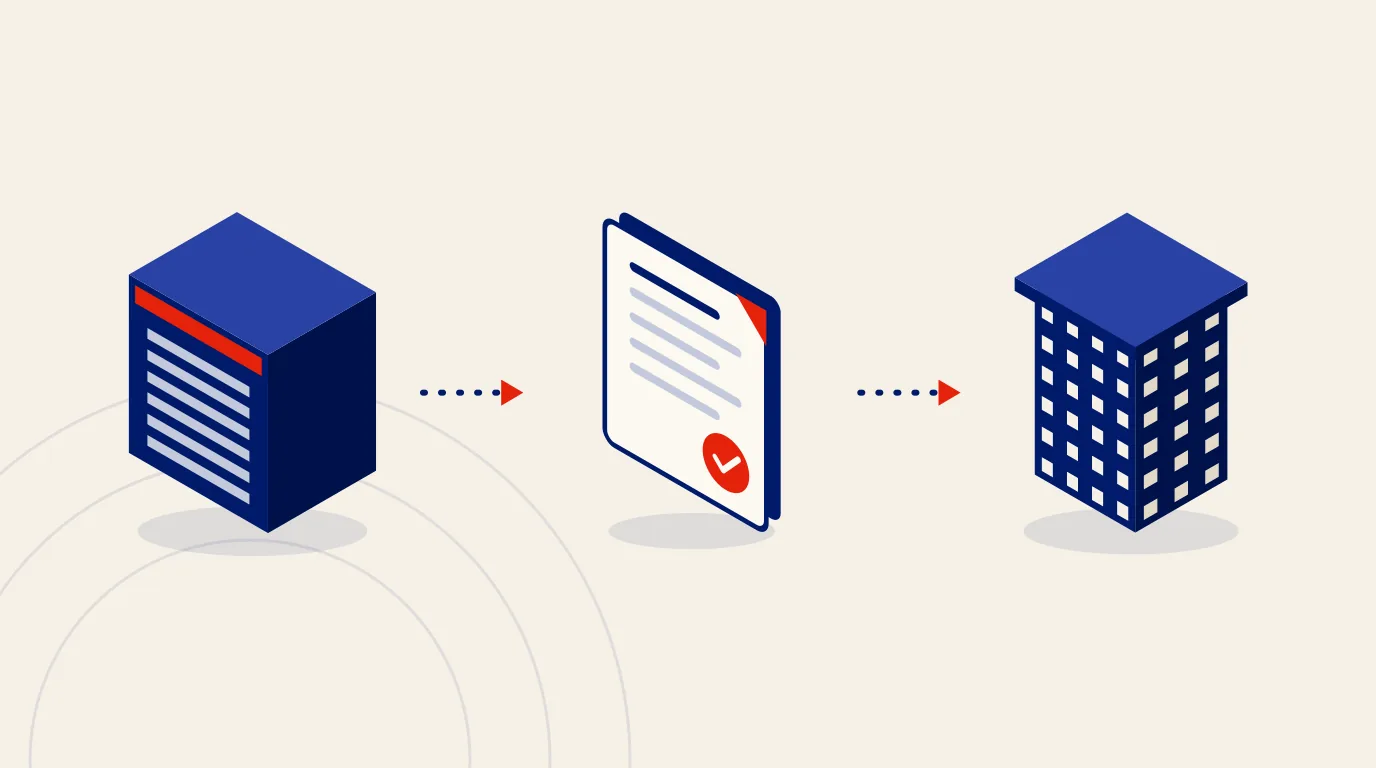
A set off replaces two payments with one. Suppose your Indian company exports goods to an overseas buyer and also imports goods from the same company. Without a set off, the buyer pays you in full and you pay it in full. With a set off, the two amounts cancel up to the smaller one. Only the net balance crosses the border.
FEMA treats each leg as its own transaction. Every export must be realised in full within the realisation period. Every import must be paid within the contract period. A set off counts as realisation and payment only when your AD bank allows it and closes the entries. A private netting in your books does neither.
Indian subsidiaries of foreign groups use set offs most. A common case is contract manufacturing. The parent supplies raw material or moulds, and the Indian company sells finished goods back to the parent. Netting saves two currency conversions and two sets of bank charges.
Regulation 7 has three parts. An Authorised Dealer may allow a set off of export receivables against import payables. The other party must be the same overseas buyer or supplier, or their overseas group or associate companies. The set off must happen within the period for realisation of export proceeds, or any extended period the bank allows.
RBI also issued A.P. (DIR Series) Circular No. 20 of 16 Jan 2026. Its paragraph 4 supersedes two Master Directions from 1 Oct 2026. They are the Master Directions on Export of Goods and Services and on Import of Goods and Services. Annex A to the circular lists the 2011 set off circular among the superseded instructions.
The new framework moves the detail into each bank's policy. Regulation 19 requires every AD bank to adopt a documented internal policy and Standard Operating Procedure (SOP) for trade transactions. The policy must cover documents, timelines, charges, extensions, adjustments and advances. The bank must publish the policy and the main features of its SOP on its website.
Paragraph C.26.1 allowed set off with the same overseas buyer or supplier, or with overseas group or associate companies. It could run "either on net basis or gross basis". These conditions applied:
A single AD bank operates or supervises the arrangement.
The bank is satisfied about the bona fides and has no KYC, AML or CFT concerns.
No invoice is under investigation by the Directorate of Enforcement, the CBI or another agency.
The underlying exports and imports follow the Foreign Trade Policy.
Trade with Asian Clearing Union (ACU) countries stays outside the arrangement.
Goods exports cannot be set off against service imports, or the other way round.
Both legs are outstanding at the time of set off and fall in the same calendar year.
A bilateral set off with the same party needs a verifiable agreement or mutual consent.
A group set off needs a written, legally enforceable agreement, and the bank checks its terms.
The set off must not lead to tax evasion or avoidance by any party.
Third party payment guidelines apply.
The bank ensures compliance with all other regulatory requirements.
The bank may ask for an auditor's or Chartered Accountant's certificate.
Each export and import is reported separately, on a gross basis, in FETERS, EDPMS or IDPMS.
The bank settles the entries in EDPMS or IDPMS with the set off indicator. It notes the shipping bill, bill of entry or invoice details in the remarks.
Paragraph C.27 had a separate netting rule for units in Special Economic Zones. It allowed bilateral netting with the same overseas buyer or supplier as on the unit's balance sheet date.
Condition under paragraph C.26
Repeated in regulation 7 of the 2026 Regulations?
Same buyer or supplier, or its group or associate companies
Yes
Within the realisation period or an extension
Yes
Single AD bank
No, left to bank policy
Goods against goods, services against services
No, left to bank policy
Both legs in the same calendar year
No, left to bank policy
ACU countries excluded
No, left to bank policy
Written agreement for group netting
No, left to bank policy
Each leg reported separately and gross
Not repeated in regulation 7; regulation 18 still requires entries for every export and import and FETERS reporting of all foreign trade transactions
The right hand column is our reading of the 2026 text. Banks may keep some or all of the old conditions in their SOP. Read your bank's published policy before you plan a set off.
What is the AD bank's role in a set off?
The AD bank decides. It checks the transactions, approves the set off, closes the EDPMS and IDPMS entries and reports the legs to RBI. RBI does not approve individual set offs, under the old Master Direction or the 2026 Regulations.
Regulation 4(2) sets the bank's base duty. The bank credits or debits your account only after it is satisfied that the transaction is genuine. It must close or update the matching EDPMS or IDPMS entry at the same time.
Regulation 19 shapes how the bank decides:
The bank must delegate approval powers across clear internal levels.
A higher internal level takes the final decision on genuineness.
The policy must include a grievance route and an appeal to a higher level inside the bank.
Under regulation 19(3), the bank cannot penalise you for regulatory delays, and its charges must be reasonable.
Paragraph 3 of Circular No. 20 adds two duties. The bank sends any reference to RBI through the PRAVAAH portal. It reports doubtful transactions to the Directorate of Enforcement.
In practice, we ask the bank's trade desk for its set off checklist before the first request. Banks differ on documents, cut off dates and whether they accept group netting. One bank should handle both legs. If your exports run through one bank and your imports through another, move the bills to one bank first.
Can you net off with group companies of the buyer or supplier?
Yes. Regulation 7 allows a set off "with their overseas group or associate companies". So your export receivable from a parent can be set off against your import payable to a sister company. The Master Direction allowed the same thing from 4 Dec 2020.
The 2026 Regulations do not define "group" or "associate" company. In our reading, banks will look at the group structure chart and the ownership links. The Companies Act, 2013 definitions of holding company (section 2(46)), subsidiary (section 2(87)) and associate company (section 2(6)) are a sensible reference. Expect the bank to ask for proof of the relationship.
Group netting needs paperwork. Paragraph C.26.1 required a written, legally enforceable agreement for intra group settlement. The bank had to check that the parties followed its terms. We expect most banks to keep this requirement in their SOP.
A good group netting agreement covers these points:
The names of every party and how they are related.
The invoices or periods the netting covers.
Who pays the net amount and to whom.
How each party settles its own intra group balance outside India.
The currency and the exchange rate basis.
Each party's consent to the Indian company closing its dues by set off.
Watch the third party rules too. If a group treasury company pays the net amount, it is not the buyer. That payment is a third party receipt under regulation 8. The bank must be satisfied about its bona fides as well.
What is the time limit for a set off?
The set off must happen within the export realisation period or an extension the bank allows. From 1 Oct 2026, regulation 5 sets nine months from the date of shipment for goods, or the invoice date for services. The period is twelve months where you invoice or settle in rupees.
The realisation period changed in November 2025 and again in June 2026. The new regulations then added a twelve month period for rupee trade from 1 Oct 2026. The table shows the period that applied at each point.
Period
Realisation period
Instrument
Before the November 2025 change
9 months
FEMA 23(R)/2015-RB, regulation 9
From Gazette publication of the 13 Nov 2025 notification
On the publish date of this page, 27 Mar 2026, the fifteen month period applied. The 2026 Regulations, as first notified, had fifteen and eighteen months. The 22 Sep 2026 amendment cut those to nine and twelve before the regulations started. Our guide on the export realisation period covers each change.
The import leg has its own clock. Regulation 9 asks the bank to follow up so that you pay within the period in the underlying contract. The bank may extend it if your reasons satisfy it. The old Import Master Direction, paragraph B.5.1, set six months from shipment for normal imports.
Old condition 7 also required both legs to be outstanding and to fall in the same calendar year. Regulation 7 does not repeat the calendar year test. Ask your bank whether its SOP keeps it.
If you pay the import leg in advance, our guide to advance remittance for imports explains how the AD bank sets the threshold from 1 Oct 2026.
How are EDPMS and IDPMS entries closed after a set off?
The AD bank closes the export entries in EDPMS and the import entries in IDPMS for the amount set off. Under the old Master Direction, it used the set off indicator and noted the shipping bill, bill of entry or invoice numbers in the remarks. Any balance stays open until you receive or pay it.
EDPMS records every shipping bill for goods. From 1 Oct 2026, it also records the Export Declaration Form (EDF) for services. Regulation 3(2) asks for that EDF within 30 days from the end of the month of the invoice. One EDF can cover all recipients in a month. An exporter of services other than software may file it on or before the date of receipt of payment. Our EDF guide explains that form.
IDPMS records bills of entry for imported goods. From 1 Oct 2026, regulation 18(1)(d) also has the bank enter imports of services in IDPMS. The bank also reports all foreign trade transactions in FETERS under regulation 18(2).
Regulation 18(1) sets the closure duties. The bank marks off an export entry after it ensures the export value has been realised. It marks off an import entry once payment is made. Regulation 18(2) requires the bank to report all foreign trade transactions in FETERS.
Item
Where it sits
How the set off closes it
Shipping bill for goods
EDPMS
Closed for the set off amount; balance closed on receipt
EDF for services from 1 Oct 2026
EDPMS
Closed for the set off amount; balance closed on receipt
Bill of entry for goods
IDPMS
Closed for the set off amount; balance closed on payment
Invoice for imported services
IDPMS from 1 Oct 2026, and FETERS
Closed for the set off amount; balance closed on payment
Entries up to Rs 10 lakh
EDPMS or IDPMS
May close on your declaration under regulation 4(2), filed quarterly in bulk
Gross values matter. The old condition 14 required each export and each import to be reported separately at full value. Regulation 7 does not repeat that line, but each entry still carries its full invoice value. The netting changes how the money moves. In our reading, it does not change the trade values RBI sees.
Check closure after every set off. Ask the bank for the EDPMS and IDPMS status of each shipping bill and bill of entry. An entry left open looks like an unrealised export or an unpaid import.
Can you set off goods exports against service imports?
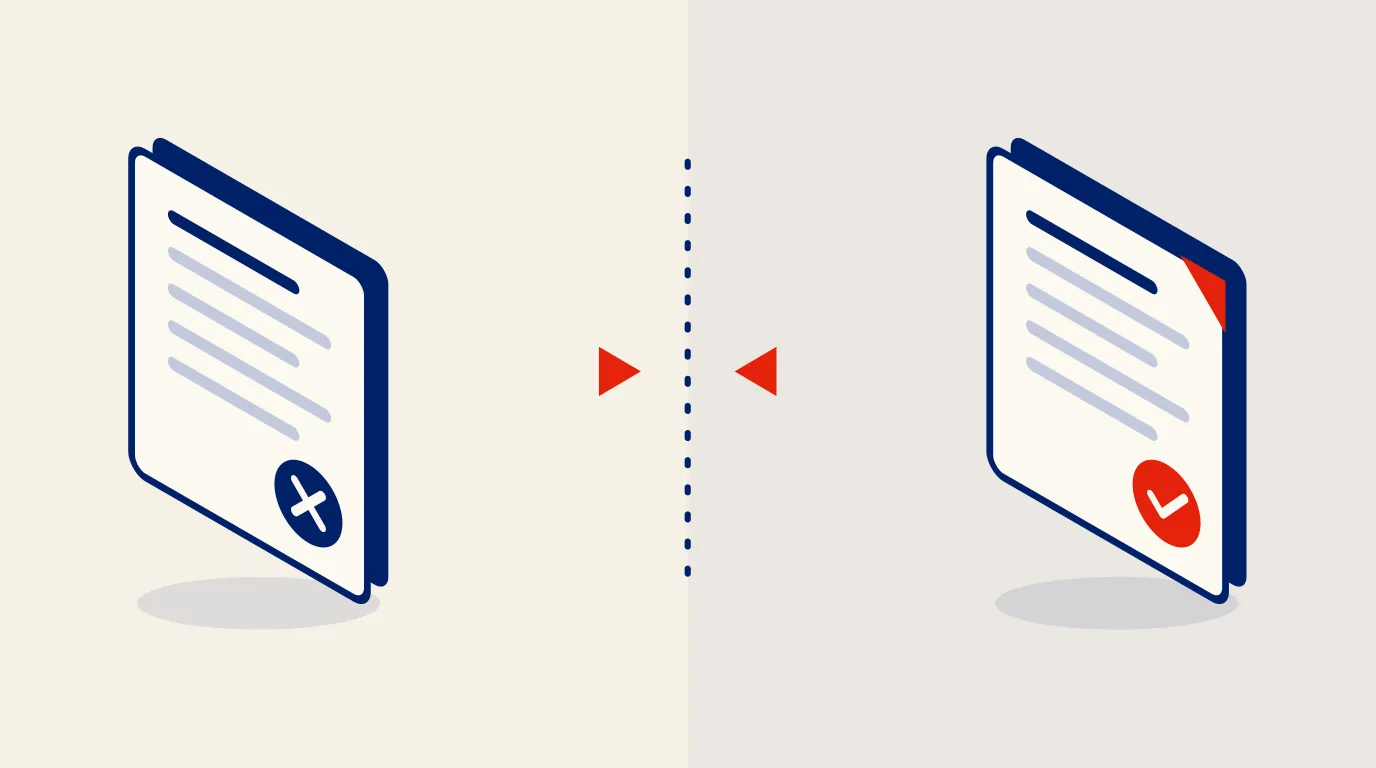
Not under the old rules. Condition 6 of paragraph C.26.1 barred set off of goods against services, and the reverse. Regulation 7 of the 2026 Regulations does not repeat that bar. In our reading, the regulation now allows it, but your bank's SOP may still refuse it.
A typical case: your Indian company exports goods to its parent and pays the parent a royalty or a management fee. Before 1 Oct 2026, you could not net the royalty against the goods receivable. From 1 Oct 2026, the regulation is silent, so the bank's policy decides.
The ACU exclusion works the same way. Old condition 5 kept trade with ACU countries outside the arrangement. Regulation 7 does not mention the ACU. Ask the bank how it treats ACU trade before you plan a netting with a party in a member country.
If your bank refuses a mixed set off, two other routes remain:
Receive the export proceeds into an EEFC account and pay the service import from that account. Our EEFC account guide explains the rules.
Settle each leg separately through the same bank, on the same day, to reduce exchange rate exposure.
How does a set off differ from a write off or a reduction in export value?
A set off means you received the value, by adjustment. A write off or a reduction means you accept that part of the value will never arrive. Before 1 Oct 2026, write offs had percentage limits. From 1 Oct 2026, regulation 6 lets the bank allow a reduction on reasons, with no percentage cap in the text.
Under paragraph C.23 of the old Master Direction, these limits applied to write offs of unrealised export bills. Each was a percentage of the export proceeds realised in the previous calendar year:
Self write off by an exporter other than a Status Holder: 5 percent.
Self write off by a Status Holder exporter: 10 percent.
Write off by the AD bank: 10 percent.
The limits were cumulative. The amount had to be outstanding for more than one year. The exporter had to show evidence of efforts to recover it, and the case had to fall in one of the listed grounds. Self write off needed a Chartered Accountant's certificate. The exporter had to surrender export incentives in proportion. Paragraph C.24 allowed write off without the limit after an ECGC or insurer claim was settled.
Regulation 6 of the 2026 Regulations replaces this with a reduction route. The bank may allow a reduction in export value, including non realisation of the full value, if it accepts your reasons. Where the export value is up to Rs 10 lakh per shipping bill or invoice, the bank may allow it on your declaration alone.
Point
Old rule (Master Direction)
Rule from 1 Oct 2026
Self write off, non Status Holder
5% of previous calendar year realisations
No percentage limit in regulation 6
Self write off, Status Holder
10%
No percentage limit in regulation 6
Write off by AD bank
10%, cumulative with self write off
Bank allows reduction if satisfied of reasons
Small value cases
Declaration for EDPMS entries up to Rs 10 lakh (C.31)
Declaration for exports up to Rs 10 lakh per shipping bill or invoice
Minimum age of the dues
Outstanding over one year
Not stated in regulation 6
Import side
Write off up to 5% of invoice value for operational differences (Import MD, C.8)
Bank closes entries for imports settled at a reduced value (regulation 18(1))
Regulation 13 adds a sanction. Export proceeds may stay unrealised for more than one year beyond the due date. You can then export only against full advance or an irrevocable letter of credit. A set off or an approved reduction keeps you out of that position.
What documents does the bank ask for?
Expect to give the bank the trade documents for both legs, proof that the overseas party agrees, and a reconciliation. For group netting, add the written netting agreement and proof of the group link. The bank may ask for a Chartered Accountant's certificate.
Document
Who provides it
Why the bank wants it
Set off request letter
Your company
Lists every shipping bill, EDF, bill of entry and invoice in the set off
Shipping bills or EDFs
Your company, from customs or the EDF filing
Proves the export leg and its value
Bills of entry and import invoices
Your company, from customs
Proves the import leg and its value
Consent letter or bilateral agreement
Overseas buyer or supplier
Proves the other side accepts the set off
Written netting agreement
All group parties
Required for group netting under the old C.26.1 and most bank policies
Group structure chart
Your company or the parent
Shows the group or associate link
Ledger statement and balance confirmation
Both parties
Shows both legs are outstanding
Chartered Accountant's certificate
Your auditor or another CA
Confirms the figures, if the bank asks
Board resolution
Your board
Authorises the officer who signs the request
TDS challan for service imports
Your company
Shows tax withheld on the import payable, where TDS applies
Keep copies in your FEMA file. RBI inspections and compounding applications start with these papers.
If either leg of the set off reaches INR 50 crore, our guide to LEI registration in India explains when a Legal Entity Identifier is needed.
How do GST, TDS and transfer pricing treat a set off?
A set off settles cash. It does not change the tax treatment of either leg. Record the sale and the purchase at full value in your books, GST returns and transfer pricing report. Deduct TDS on service imports on the full payable, as if you paid it in cash.
Books of account
Book the export sale and the import purchase separately at full value. Pass the set off as a settlement entry between the receivable and the payable. Exchange differences on each leg go to profit or loss in the normal way.
GST on exports of services
Section 2(6) of the IGST Act, 2017 sets five conditions for an export of services. Clause (iv) asks that the supplier receives payment in convertible foreign exchange, or in Indian rupees wherever RBI permits. A set off approved by the AD bank counts as realisation under FEMA. Whether it also meets clause (iv) is not settled by any CBIC clarification we could find.
So treat the set off portion of a services export as a point to settle with your GST adviser before you rely on it. The net remittance is plain foreign exchange. The set off amount is an adjustment that the bank approved. Keep the bank's approval letter and the EDPMS closure on file. Our page on GST on export of services covers the other conditions.
GST on imports
You pay IGST on imported goods at customs as usual. Imported services stay under reverse charge on their full value, whatever the settlement method.
TDS on the import leg
The import leg may be a service, such as a royalty or fees for technical services. TDS under section 393 of the Income Tax Act, 2025 then still applies. The set off covers only the amount left after tax. You deposit the tax withheld in India in rupees. Our TDS guide for payments to non residents explains the rates.
Transfer pricing
Exports to and imports from an associated enterprise are international transactions. Report each at its gross value in Form 48 (old Form 3CEB). Netting does not change the arm's length test for either leg. See our note on Form 3CEB filing.
Old condition 10 barred any set off that led to tax evasion or avoidance. Expect the bank to ask how each party accounts for the netting.
What happens to exports shipped before 1 Oct 2026?
Regulation 20 deals with some of them. The 22 Sep 2026 amendment inserted it. It lets AD banks handle export and import transactions made before 1 Oct 2026 that earlier needed RBI approval. They refer to the 2015 Export Regulations and the two old Master Directions. Those are the Export Master Direction updated to 17 Jul 2026 and the Import Master Direction updated to 12 Jan 2026.
A set off did not need RBI approval, because AD banks approved it themselves under paragraph C.26. So regulation 20 does not clearly cover it. In our reading, a set off allowed on or after 1 Oct 2026 follows regulation 7 and the bank's SOP. That holds even where the shipping bills or bills of entry are older. A bank may still apply the old paragraph C.26 conditions to older entries as its own policy. Ask your bank in writing which test it will use.
The same caution applies to the realisation period. The preamble to the 2026 Regulations replaces the 2015 Regulations except for things done or omitted before the replacement. We found no RBI statement on which period applies to a shipment made while the fifteen month period was in force. Ask your bank which due date it holds in EDPMS for each shipping bill.
Exporters on RBI's Caution List on 30 Sep 2026 stay under RBI's order until removed. The proviso to regulation 13, inserted by the same amendment, says so.
What if the bank refuses, or you net off without approval?
If the bank refuses, use its internal appeal. Regulation 19(2) requires a grievance route and an appeal to a higher internal level. If you net off without approval, your export entries stay open in EDPMS. That is a contravention of the realisation rules and can lead to a FEMA penalty.
A book entry between your company and the overseas party does not close anything under FEMA. The bank sees an unrealised shipping bill and an unpaid bill of entry. After the due date, the bank follows up. After one year beyond the due date, regulation 13 limits you to advance or letter of credit exports.
Section 13 of FEMA, 1999 sets the penalty on adjudication. It can reach three times the sum involved where the amount is quantifiable, or up to Rs 2 lakh where it is not. A continuing contravention can add up to Rs 5,000 for each day after the first.
The fix is to regularise. Ask the bank to approve the set off late, with your reasons and an extension of the realisation period if needed. If the bank cannot help, compounding with RBI is the next route. Our FEMA compounding guide explains the process.
If you want a second pair of eyes on a netting plan, our FEMA compliance team reviews the bank file before submission.
What changed in 2026
Point
Old rule
New rule
Date
Instrument
Source of the set off rule
Master Direction on Export, paragraph C.26
Regulation 7 of the 2026 Regulations
1 Oct 2026
FEMA 23(R)/2026-RB
Detailed conditions
15 conditions set by RBI
Bank's own internal policy and SOP, published on its website
1 Oct 2026
FEMA 23(R)/2026-RB, regulation 19
Goods against services
Not allowed
Not barred by the regulation; bank policy decides
1 Oct 2026
FEMA 23(R)/2026-RB, regulation 7
Write off of unrealised exports
5% or 10% of prior year realisations
Reduction on reasons; declaration up to Rs 10 lakh per invoice
1 Oct 2026
FEMA 23(R)/2026-RB, regulation 6
Realisation period
15 months (from November 2025), then 9 months (from June 2026)
9 months, or 12 months for rupee trade
1 Oct 2026 (amendment notified 22 Sep 2026)
FEMA 23(R)/(1)/2026-RB
Old transactions that needed RBI approval
2015 Regulations and the Master Directions applied directly
AD banks handle them under the 2015 Regulations and the old Master Directions; Caution List exporters stay under RBI's order
1 Oct 2026 (amendment notified 22 Sep 2026)
FEMA 23(R)/2026-RB, regulations 20 and 13 proviso, inserted by FEMA 23(R)/(1)/2026-RB
Import payment period
6 months from shipment
Period in the underlying contract, with bank extension
1 Oct 2026
FEMA 23(R)/2026-RB, regulation 9
Export and Import Master Directions
In force
Superseded
1 Oct 2026
A.P. (DIR Series) Circular No. 20 of 16 Jan 2026
Service exports in EDPMS
SOFTEX for software; no declaration form for other services (Export Master Direction, B.5 and B.7)
EDF within 30 days from the end of the invoice month; non software exporters may file by the payment date
1 Oct 2026
FEMA 23(R)/2026-RB, regulation 3(2)
Service imports in IDPMS
Bills of entry for goods tracked in IDPMS
Bank also enters imports of services them in IDPMS within five working days of receiving documents
1 Oct 2026
FEMA 23(R)/2026-RB, regulation 18(1)(d)
Worked example
Scenario 1, a bilateral set off of goods
An Indian Private Limited company owned by a US parent makes castings for it. In October 2026 it ships two lots to the parent. Shipping bill A is for USD 1,20,000 and shipping bill B for USD 80,000. The same month it imports moulds from the parent under one bill of entry for USD 1,30,000.
Item
Amount (USD)
Export receivable, shipping bill A
1,20,000
Export receivable, shipping bill B
80,000
Total export receivable
2,00,000
Import payable, bill of entry
1,30,000
Amount set off (smaller of the two)
1,30,000
Net amount the parent remits
70,000
The parent signs a consent letter. The Indian company sends the request to its AD bank with both shipping bills, the bill of entry and the ledger statements. The bank approves and closes:
Shipping bill A in full, USD 1,20,000, by set off.
Shipping bill B for USD 10,000 by set off. The other USD 70,000 stays open.
The bill of entry in full, USD 1,30,000, by set off.
The parent remits USD 70,000. The bank closes the rest of shipping bill B on receipt. Both legs are complete within the nine month period.
The saving is real but modest. Assume the bank's spread is 20 paise per US dollar on each conversion. Without the set off, the company would convert USD 1,30,000 twice: once inward and once outward. The saving is 1,30,000 × 2 × Rs 0.20, which is Rs 52,000, plus two sets of wire charges. The spread here is an assumption for the arithmetic, not a quoted bank rate.
Scenario 2, group netting of services
An Indian Private Limited company provides software development services to its UK parent. It invoices GBP 3,00,000 for the quarter. It also pays a Singapore group company GBP 1,00,000 for management services in the same quarter. All three companies sign a written netting agreement.
The Indian company first deals with tax on the import leg. Assume, for the arithmetic only, that a 10 percent treaty rate applies to the Singapore fee after a valid Form 41 and tax residency certificate.
Step
Amount (GBP)
Gross fee payable to the Singapore company
1,00,000
TDS at an assumed 10 percent, deposited in India in rupees
10,000
Net payable to the Singapore company
90,000
Export receivable from the UK parent
3,00,000
Amount set off under the group agreement
90,000
Net amount the UK parent remits to India
2,10,000
The UK parent then owes the Singapore company GBP 90,000 inside the group. That settlement happens outside India. The bank closes GBP 90,000 of the services EDF in EDPMS by set off and the remaining GBP 2,10,000 on receipt. The bank enters the GBP 1,00,000 service import in IDPMS and reports it in FETERS.
Two points in this scenario depend on the bank's policy. The set off runs across group companies, so the bank will want the netting agreement and proof of the group link. Both legs are services, so even the old condition 6 is met. If the Indian company had exported goods instead, the mix of goods and services would need the bank to accept it under regulation 7.
The GST and transfer pricing filings stay gross. The GBP 3,00,000 is an export of services. The GBP 1,00,000 is an import of services under reverse charge. Form 48 shows both as international transactions with associated enterprises.
Common mistakes
Netting in the books without the bank. The EDPMS entries stay open and the exports look unrealised. Fix: send every set off to the AD bank for approval before you pass the settlement entry.
Mixing goods and services without checking the SOP. Many banks may keep the old bar. Fix: ask the trade desk in writing whether its policy allows a goods against services set off.
No written agreement for group netting. The bank will reject the request. Fix: sign a netting agreement with every group party before the first quarter you net.
Waiting until the realisation period ends. A late request needs an extension first. Fix: track the due date of each shipping bill and EDF and request the set off well before it.
Reporting net values. The EDF and the bill of entry must show full values. Fix: declare full values to customs and the bank, and let the bank close entries for the set off amount.
Forgetting TDS on the import leg. The set off does not remove the tax. Fix: compute TDS on the gross service payable, deposit it, then set off only the net.
Netting non trade dues. Regulation 7 covers export receivables and import payables only. Fix: settle loans, dividends and share money through their own FEMA routes.
Splitting the legs across banks. Two banks cannot close each other's entries. Fix: move the export bills or import bills so one AD bank holds both.
Leaving partial balances open. A set off that covers part of a shipping bill leaves the rest open. Fix: chase the balance or apply for a reduction under regulation 6.
Checklist
Read your AD bank's published trade policy and SOP under regulation 19.
Confirm the overseas party is the same buyer or supplier, or its group or associate company.
List every open shipping bill, EDF and bill of entry with its value and due date.
Sign a consent letter for a bilateral set off, or a written netting agreement for group netting.
Compute and deposit TDS on any service import before you fix the net amount.
Reconcile the ledger with the overseas party and get a balance confirmation.
Submit the set off request and documents to the single AD bank that holds both legs.
Provide a Chartered Accountant's certificate if the bank asks for one.
Receive or pay the net balance through the same bank.
Confirm in writing that the bank has closed each EDPMS and IDPMS entry.
Record both legs gross in your books, GST returns and Form 48.
File the approval, closure report and agreement in your FEMA file.
Frequently Asked Questions
What is set off of export receivables against import payables?+
It is an arrangement where your receivable for exports is adjusted against your payable for imports to the same overseas party or its group companies. Only the net balance is paid. Regulation 7 of the FEMA Export and Import Regulations, 2026 lets your AD bank allow it from 1 Oct 2026. Before that, paragraph C.26 of RBI's Export Master Direction governed it.
Does a set off need RBI approval?+
No. AD banks approve set offs themselves, under A.P. (DIR Series) Circular No. 08 of 4 Dec 2020 and later paragraph C.26 of the Export Master Direction. Regulation 7 of FEMA 23(R)/2026-RB keeps the power with the AD bank from 1 Oct 2026. The bank decides under its own internal policy and SOP, which regulation 19 requires it to publish on its website.
Which regulation allows set off from 1 Oct 2026?+
Regulation 7 of the Foreign Exchange Management (Export and Import of Goods and Services) Regulations, 2026 allows it. RBI notified them as FEMA 23(R)/2026-RB on 13 Jan 2026. The AD bank may allow set off with the same overseas buyer or supplier, or their group or associate companies. It must fall within the realisation period or an extension.
Can I set off a receivable from my parent against a payable to a sister company?+
Yes, if your bank's policy allows it. Regulation 7 covers set off with the overseas party's group or associate companies. Before 1 Oct 2026, paragraph C.26.1 of the Export Master Direction set a condition for intra group netting. It needed a written, legally enforceable agreement. Most banks will still ask for one.
Can I set off a goods export against a software or service import?+
Not under the old rules. Paragraph C.26.1 barred set off of goods against services. Regulation 7 of the 2026 Regulations does not repeat that bar. In our reading, you can do it from 1 Oct 2026 if your bank's SOP accepts it. A bank may still apply the old bar to entries dated before 1 Oct 2026.
Is there a monetary limit on a set off?+
Regulation 7 sets no amount limit. The open balance of each leg is the only cap, because you cannot set off more than you owe or are owed. Your AD bank's internal policy under regulation 19 may set approval levels by amount. A large set off may then need sign off from a senior level in the bank.
What is the time limit for a set off?+
The set off must happen within the export realisation period or any extension the bank allows. From 1 Oct 2026, regulation 5 of FEMA 23(R)/2026-RB sets nine months from shipment or invoice date. Rupee invoicing or settlement gets twelve months. The import leg must be within the contract payment period under regulation 9.
How does the bank close EDPMS and IDPMS entries after a set off?+
The bank closes export entries in EDPMS and import entries in IDPMS for the amount set off. These cover shipping bills, services EDFs, bills of entry and services imports. Under the old Master Direction it used the set off indicator and recorded the document numbers in the remarks. Any balance stays open until you receive or pay it, under regulation 18.
Can I set off export receivables against a loan or dividend payable?+
No. Regulation 7 covers only export receivables and import payables. A loan from the buyer is an external commercial borrowing, and a dividend is a current account remittance under its own rules. Settling either by netting against export dues leaves the export unrealised under FEMA. Use the proper route for each payment.
What were the write off limits for unrealised export bills?+
Paragraph C.23 of the old Export Master Direction measured limits against the previous calendar year's export realisations. Self write off was 5 percent, or 10 percent for Status Holders. AD bank write off was 10 percent, and the limits counted together. From 1 Oct 2026, regulation 6 lets the bank allow a reduction on reasons, with no percentage cap in the text.
Can I reduce an export invoice on my own declaration?+
Yes, for small values. Regulation 6 of FEMA 23(R)/2026-RB lets the AD bank allow a reduction in export value, including full non realisation. Where the value is up to Rs 10 lakh per shipping bill or invoice, your declaration is enough. Above that, the bank must accept the reasons you give.
Can an SEZ unit net off export and import dues?+
Yes. Before 1 Oct 2026, paragraph C.27 of the Export Master Direction gave SEZ units a bilateral netting route. It covered the same overseas buyer or supplier, as on the balance sheet date. Regulation 7 of the 2026 Regulations does not exclude SEZ units. In our reading, they use it through their AD bank from 1 Oct 2026.
Does a set off affect my GST refund on exported services?+
It may. For a supply to be an export, section 2(6)(iv) of the IGST Act, 2017 requires payment in convertible foreign exchange. Rupees count where RBI permits them. We found no CBIC circular on a set off, so keep the bank's approval and EDPMS closure as evidence. Ask your GST adviser how the refund officer will treat the set off part, which no FIRC covers.
Do I still deduct TDS when the import payable is set off?+
Yes. A set off is a mode of payment. The import leg may be a royalty, fees for technical services or another payment taxable in India. TDS under section 393 of the Income Tax Act, 2025 then applies to the gross amount. Deposit the tax in India and set off only the balance.
What happens if I net off in my books without bank approval?+
The export stays unrealised under FEMA and the shipping bills stay open in EDPMS. After one year beyond the due date, regulation 13 restricts you to exports against advance or a letter of credit. Section 13 of FEMA, 1999 allows a penalty of up to three times the sum involved. Ask the bank to regularise the set off.
Sources
Reserve Bank of India, Foreign Exchange Management (Export and Import of Goods and Services) Regulations, 2026, Notification No. FEMA 23(R)/2026-RB, 13 Jan 2026, amended up to 22 Sep 2026, https://www.rbi.org.in/Scripts/BS_FemaNotifications.aspx?Id=13277
Reserve Bank of India, Foreign Exchange Management (Export and Import of Goods and Services) (Amendment) Regulations, 2026, Notification No. FEMA 23(R)/(1)/2026-RB, 22 Sep 2026, https://www.rbi.org.in/Scripts/BS_FemaNotifications.aspx?Id=13714
Reserve Bank of India, A.P. (DIR Series) Circular No. 20, Export and Import of Goods and Services, 16 Jan 2026, https://www.rbi.org.in/Scripts/NotificationUser.aspx?Id=13278&Mode=0
Reserve Bank of India, Master Direction, Export of Goods and Services, updated as on 17 Jul 2026, paragraphs C.23 to C.27, https://www.rbi.org.in/Scripts/BS_ViewMasDirections.aspx?id=10395
Reserve Bank of India, Master Direction, Import of Goods and Services, updated as on 12 Jan 2026, paragraphs B.5 and C.8, https://www.rbi.org.in/Scripts/BS_ViewMasDirections.aspx?id=10201
Reserve Bank of India, A.P. (DIR Series) Circular No. 08, External Trade Facilitation, Export of Goods and Services, 4 Dec 2020, https://www.rbi.org.in/scripts/NotificationUser.aspx?Id=12005
Reserve Bank of India, Foreign Exchange Management (Export of Goods and Services) (Second Amendment) Regulations, 2025, Notification No. FEMA 23(R)/(7)/2025-RB, 13 Nov 2025, https://www.rbi.org.in/Scripts/BS_FemaNotifications.aspx?Id=12923
Reserve Bank of India, Foreign Exchange Management (Export of Goods and Services) (First Amendment) Regulations, 2026, Notification No. FEMA 23(R)/(8)/2026-RB, 5 Jun 2026, https://www.rbi.org.in/Scripts/BS_FemaNotifications.aspx?Id=13467
Central Board of Indirect Taxes and Customs, Circular No. 78/52/2018-GST, Clarification on export of services, 31 Dec 2018, https://cbic-gst.gov.in/pdf/Circular_78-52-2018_Export_Services.pdf
Central Board of Indirect Taxes and Customs, Circular No. 202/14/2023-GST, Clarification relating to export of services under section 2(6)(iv) of the IGST Act, 2017, 27 Oct 2023, https://gstcouncil.gov.in/sites/default/files/2024-06/circular-no-202-14-2023.pdf
Government of India, Foreign Exchange Management Act, 1999 (Act 42 of 1999), section 13, https://www.indiacode.nic.in/bitstream/123456789/1988/1/A1999_42.pdf
TALK TO AN ADVISOR
Facing this in your own entity?
Guides explain the rules. A conversation solves your specific case. Talk to a Krystal7 Consultants advisor about your India entry, FEMA or compliance position.
Nandini Hasija is a co-founder of Krystal7. She leads brand, business development and marketing, and works with founders to define their engagement. She is a Chartered Accountant and achieved All India Rank 49 in the CA examinations.
Six things you can check before you sign, and hold us to after.
A Chartered Accountant signs off
Filings go out through our Chartered Accountant practice, led by CA Nandini Hasija, All India Rank 49, ICAI.
A reply within 4 business hours
The team is online from 9:30 AM to 11:59 PM IST, which covers the working day in the UK and the UAE, the afternoon in Singapore and the morning in the US.
The fee is fixed before work starts
You see the professional fee in writing first. Government fees are passed on at cost.
Both sides of the border, one team
Company law, FEMA and RBI reporting, tax and transfer pricing sit with the same advisers.
Your due dates, tracked by us
We keep the compliance calendar for your entity and tell you what is due before it is due.
500+ clients across 5 continents
More than 50 advisers on the bench when a matter needs a specialist.
Working with the Kristal7 team has been an absolute pleasure. Their professionalism, attention to detail, pace they work at and commitment to delivering top-quality results stand out. They took the time to understand our needs and executed seamlessly. Highly recommend Kristal7 to anyone looking for a reliable partner to establish business in India.
We can't be happier after dealing with true professionals who really do things in India. Absolutely recommended, high-class professionals, Nihal knows his stuff better than anybody in India, trust me. Highly recommended if you ever need any type of business needs to be done properly and ON TIME in India! Thank you guys!!!
Krystal7 Consultants has an exemplary and professional attitude in their approach to services rendered by them. The team and it's leaders are thoroughly aggressive all throughout setting the processes timely and getting procedures done in a time bound and disciplined manner. Highly recommended Consultants to go-to.We wish them all the very best in all their future endeavours and growth story.
I had a great experience with this firm while filing my ITR! The team handled my ITR filing end-to-end, answered all my queries patiently, and made the entire process smooth and hassle-free. Nandini is highly professional, responsive, and took complete ownership throughout. Highly recommended for anyone looking for reliable tax filing assistance.
Very energetic and young professionals with best consultation and commitment of work completion on time in regionable fees. Mr. Nihal is very punctual & committed .
Very happy with my experience with them. They have thoroughly guided me through the processes and executed them as planned, for all my registrations. Definitely would recommend using their services.
Recap
Crystal Seven Consultants, especially Nandini Hassija and Nihal Srivastava, have redefined my experience with compliance management. From professionalism to problem-solving, they delivered trust, accuracy, and peace of mind—qualities rare in this industry.
Detailed Review
When Nandini first called me from Crystal Seven Consultants, I’ll admit I was hesitant. In the compliance and consultancy space, it’s common to see aggressive sales tactics with little to no delivery. But Nandini immediately broke that stereotype with her professionalism, clear communication, and genuine approach. She personally assisted me with something as important as a resignation process, ensuring it was handled responsibly and without stress.
Later, Nihal stepped in and impressed me with his technical expertise and eye for detail. He uncovered a serious compliance error (a mug-up) created by my previous consultant—something that could have been risky and damaging for my company. The way Nihal managed this issue with care, accuracy, and professionalism gave me full confidence that my compliance matters were finally in safe hands.
Today, I rest assured knowing that Daxy’s compliances are being managed with integrity, precision, and accountability. Both Nandini and Nihal have shown me that this industry can, in fact, be built on trust, transparency, and delivery.
I genuinely recommend Crystal Seven Consultants to any business owner who wants their legal, financial, and compliance matters handled not just properly—but with care, reliability, and genuine expertise.
We use Google Analytics to see how the site is used and Google Ads cookies to measure enquiries that come from our ads. You choose what we use, and you can change it at any time. Cookie policy